App: I protect
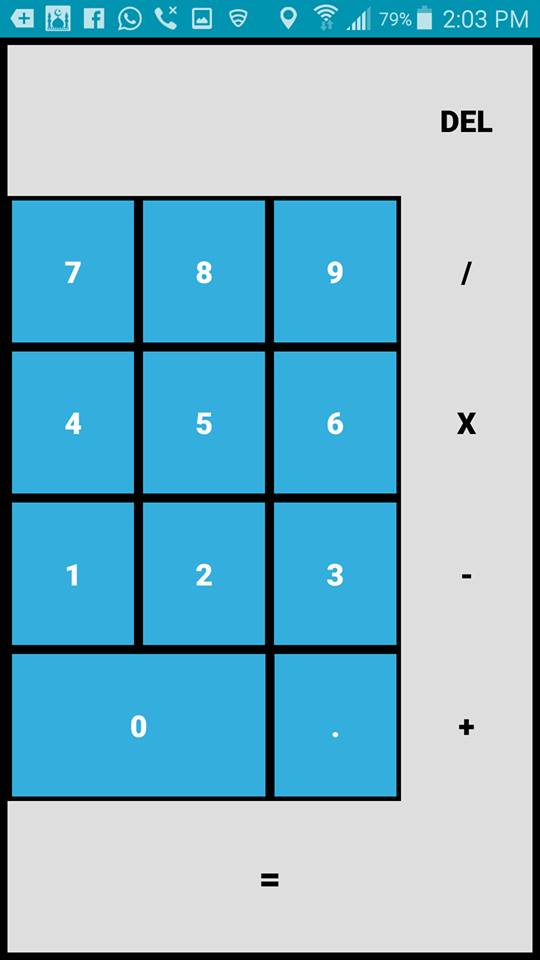
Disguised as a calculator on smartphone screens, I Protect alerts contacts and a local human rights group if the user is arrested
– 


For Egyptians, the risk of being snatched from the street and forcibly disappeared by the country’s security forces has never been greater. In the first eight months of 2015, 1,250 people disappeared, according to a report by the Egyptian Commission for Rights and Freedoms (ECRF).
I’m in an Egyptian prison – being stripped and beaten is normal
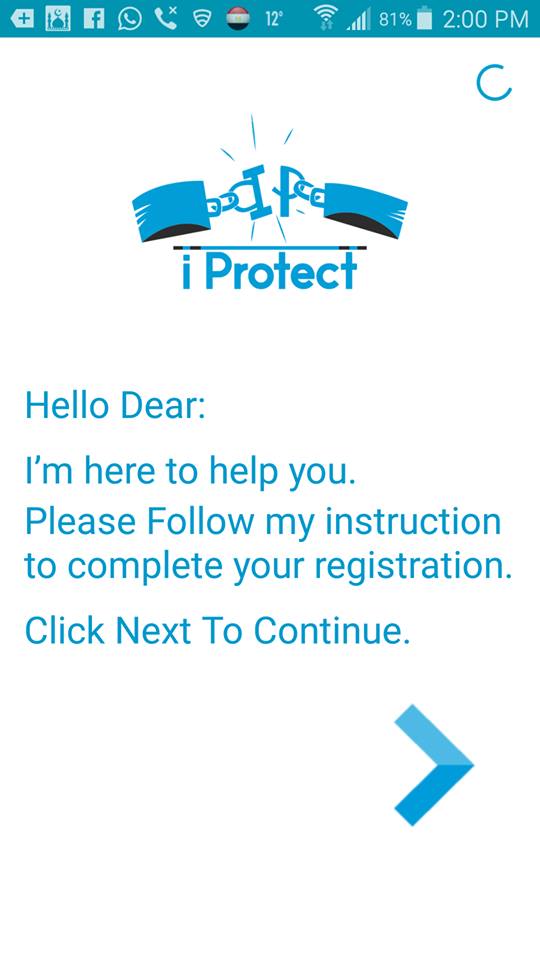
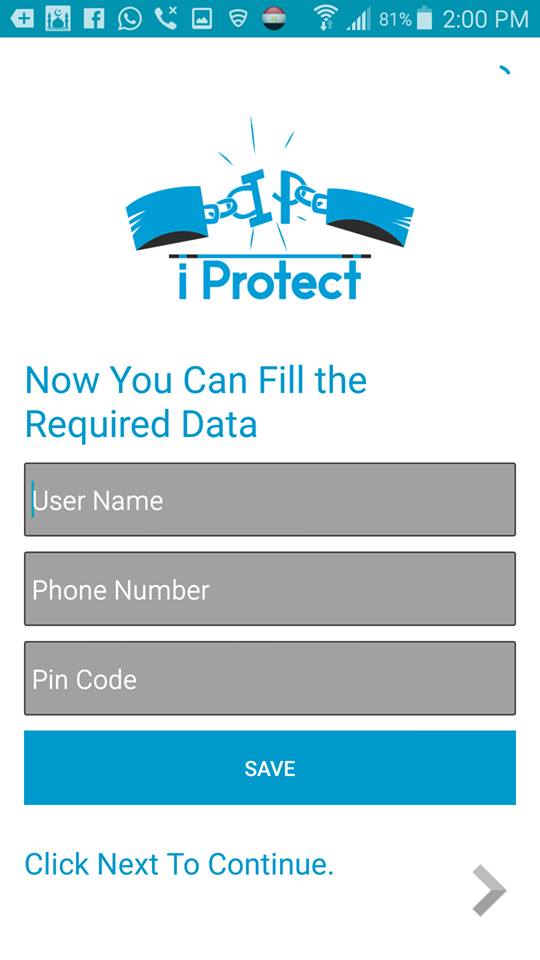
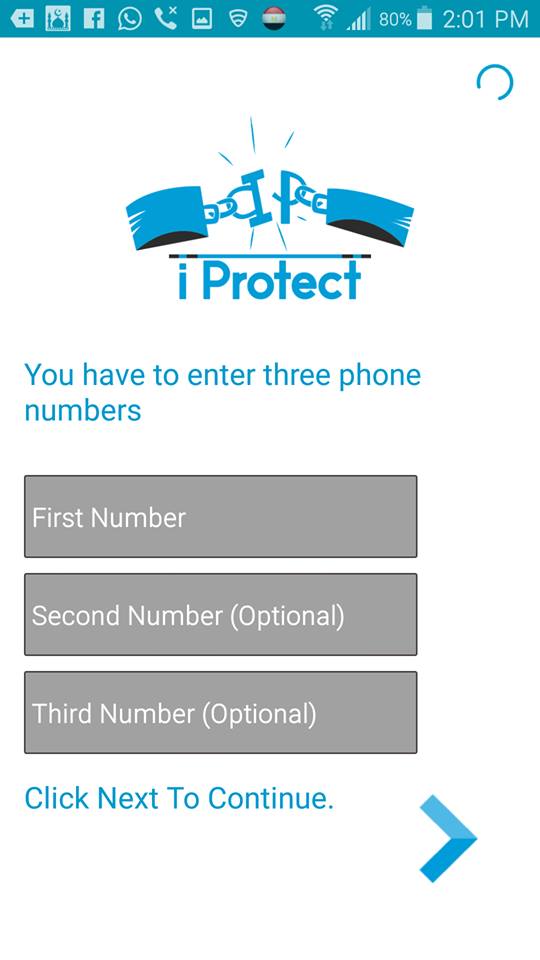
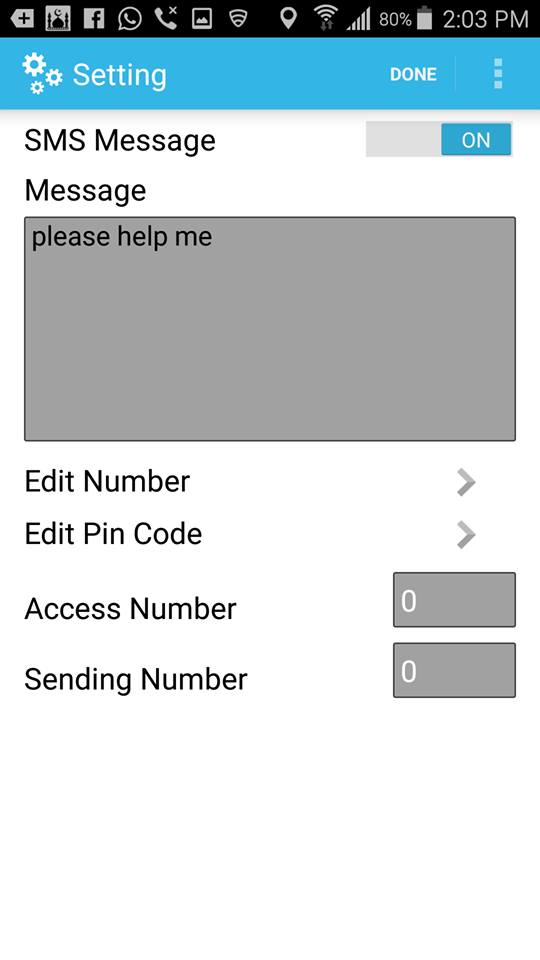
In response, the organisation has created I Protect, an app that allows Android phone users to key in a code when they are being detained, which sends three text messages to contacts and an email containing the location of their arrest to the ECRF.
The group hopes the messages will aid a quick reaction during the first 24 hours of an arrest, key to stopping people being transferred from a police station to a larger facility, making them harder to find.
Mohammed Lotfy, executive director of ECRF, said: “Being able to speak out about the arrest of an activist or protestor in the first hours contributes to the person’s transfer from police to prosecution during the legal time from of 24 hours.
“This prevents their detention incommunicado, or worse their forced disappearance, and therefore reduces the risks of being subjected to torture or other ill treatment.”
Most affected are young people, especially students, in large Egyptian cities. Areport by Amnesty International in July found that children as young as 14 years old “vanish without trace at the hands of the state”. The report called forced disappearances, where the victim vanishes into a large security facility and is denied contact with their family or legal representation, “a key instrument of state policy in Egypt”.
Hundreds of people are thought to be secretly held in the national security agency offices in Lazoghly Square, Cairo, inside the interior ministry building.
Local threats
This is not the first time Egyptians have created an app to counter state abuses. In 2013, a similar programme was created to alert the user’s contacts that they were being arrested at a protest – although this proved dangerous for those who were found by police to have the app on their phones.
The developer of I Protect, who has asked to remain anonymous and has not been named as part of the project, explained that the app’s interface is designed to guard against this.
“After applying the settings, the app converts into a calculator – so opening the app just means you see the interface of a calculator,” he said. “Only the user can convert it from a calculator into the app by combining certain words and keys that they set themselves.”
State surveillance penetrates deep into the internet and phone lines in Egypt, recently sparking a growth in the popularity of encrypted messenger apps such as Signal or Telegram. Yet the developer of I Protect says there is no need to encrypt the app as “we don’t save any data in a database, the data is shared between the user and ECRF only”.
I Protect is the latest in a series of warning apps tailored to unique local threats. India has recently seen the growth of apps designed for women, allowing them to alert contacts or the police if they feel they’re in danger from attack or sexual assault. After being car-jacked in Kuala Lumpur, a developer created an app calledWatch Over Me, which tracks a user’s car journey and sends an alert if they fail to check in at their destination.
 Hundreds ‘disappeared’ by security forces in Egypt, says Amnesty But an app like I Protect can only provide a temporary solution to the problem of forced disappearances, as the Egyptian state does not acknowledge the problem exists.
The interior minister, Magdy Abdel Ghaffar, said in March that forced disappearances do not occur in Egypt. He claimed reports of alleged forced disappearances were often taken directly to the Egyptian National Council for Human Rights (NCHR), or to international institutions, who he accused of being allied with the banned Muslim Brotherhood group, to scare citizens.
The head of the NCHR, which has repeatedly demanded answers from the government about forced disappearances, recently resigned over what he described as “a lack of cooperation” from the state.
Sources: The Guardian
Questions about this article
How does the I Protect app work?
When a user is detained, they key in a code. The app then sends three text messages to chosen contacts and an email with the location of the arrest to the Egyptian Commission for Rights and Freedoms.
Why is I Protect disguised as a calculator?
A similar app from 2013 proved dangerous for people whom police found to have it on their phones. I Protect therefore shows a calculator interface, and only the user can switch it back to the app with a combination they set themselves.
Why are the first 24 hours after an arrest important?
According to ECRF director Mohammed Lotfy, speaking out quickly helps ensure the person is transferred from police to prosecution within the legal 24 hours, which prevents incommunicado detention or forced disappearance and reduces the risk of torture.
Does I Protect store user data?
The anonymous developer says the app is not encrypted because it saves no data in a database; data is shared only between the user and the ECRF.
Questions and answers added in 2026, based on the article above.