App: SWAT
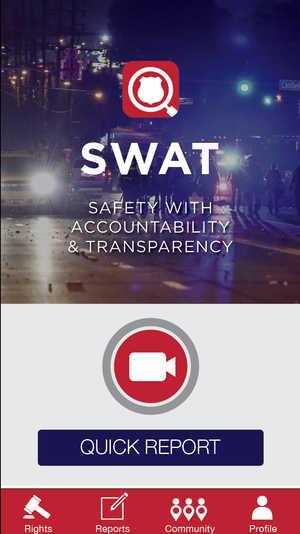
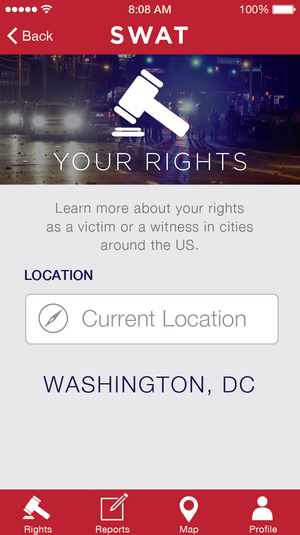
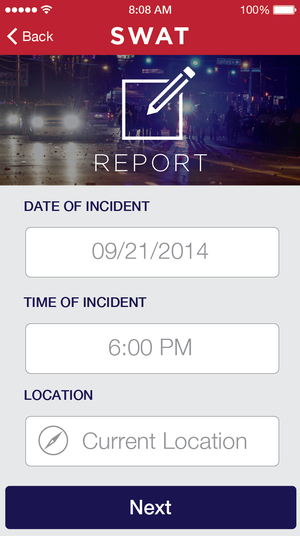
After visiting Ferguson, Missouri recently, a pair of Georgetown students realized the need to access cellphone videos of police misconduct in the event a device is destroyed. With that in mind, Brandon Anderson and Joseph Gruenbaum set out to develop the SWAT app — software that sends your footage to the cloud in the event your phone itself is confiscated or smashed. In addition to safely beaming videos to a server for later use, the app also allows you to file complaints without having to visit a police station. Plus, it’ll tell you about your legal rights (using your GPS coordinates to determine the applicable jurisdiction). That way you can quickly read up on the proper local, state and federal laws should the need arise. The project is in its infancy, but there’s no questioning its utility once it becomes a fully realized mobile app. For now, Anderson and Gruenbaum are looking for tech and legal partners to get the endeavor off the ground, and you can sign up to be a beta-tester at the source below.
Sources: TheSWATapp, Engadget, DW
This video is no longer available. Original on YouTube
Questions about this article
What does the SWAT app do?
It uploads videos of police encounters to the cloud so they are kept even if the phone is confiscated or smashed. It also lets users file complaints and read about their legal rights based on their GPS location.
Who created the SWAT app?
Georgetown students Brandon Anderson and Joseph Gruenbaum, who came up with the idea after visiting Ferguson, Missouri.
Questions and answers added in 2026, based on the article above.