App: Y-Stop
People stopped and searched by police will be able to record them and instantly send the footage to lawyers by shaking their phone, using a new app designed to hold officers to account.
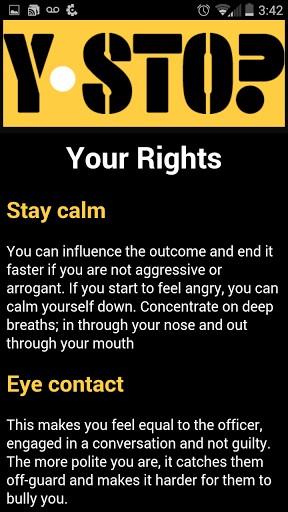
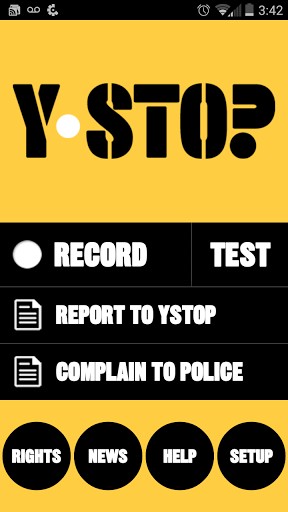
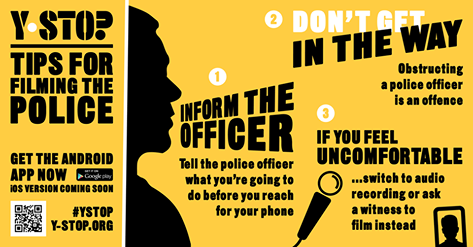
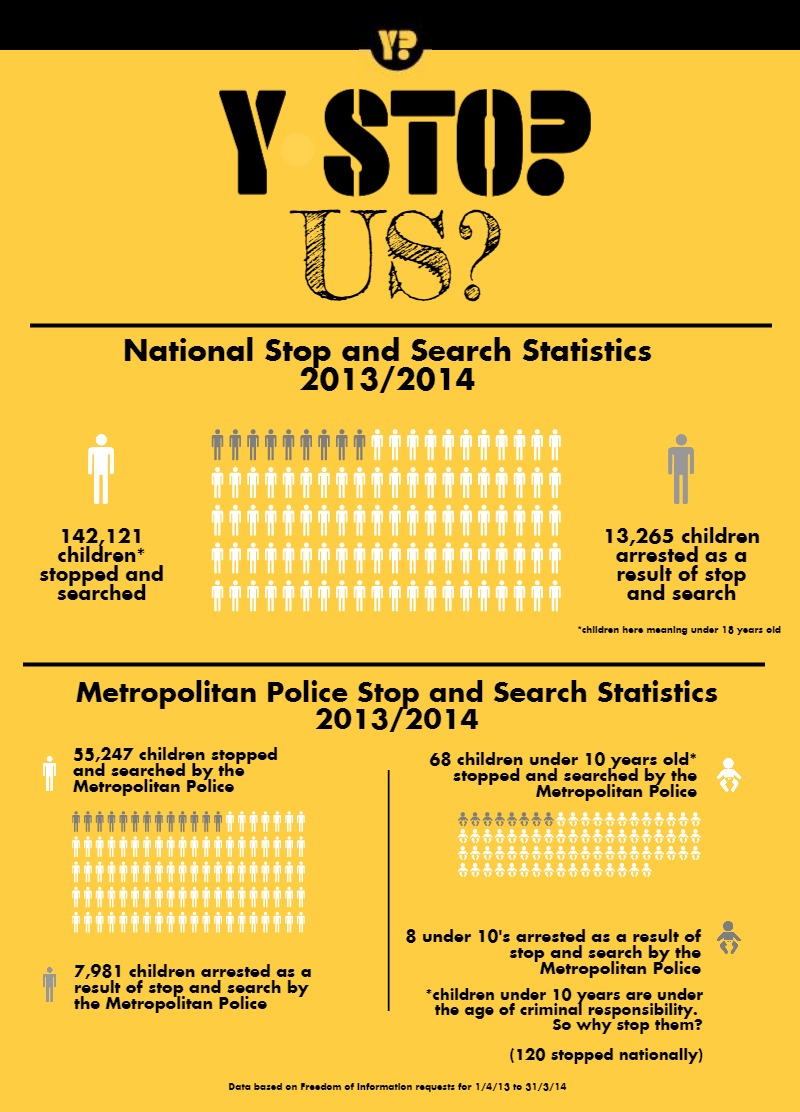

The Y-Stop app has been created as a response to police use of stop and search powers, and its creators say it will make the police responsible for their actions and improve interactions between the public and officers.
The mobile app — which is available on iOS and Android — allows those stopped to record audio and video, report the experience, directly complain to the police, make contact with lawyers and be informed of their rights.
Natasha Dhumma, a co-ordinator working on the project told WIRED that stop and search is a “huge problem” for black and ethnic minority communities and also those who are younger than 24, as they are more likely to be stopped.
“It’s also a question of people feeling harassed by it, they feel stops are unjustified, they’re frustrated, they feel very disempowered by it and this is a tool to help them and be able to deal with it in a positive way,” said Dhumma.
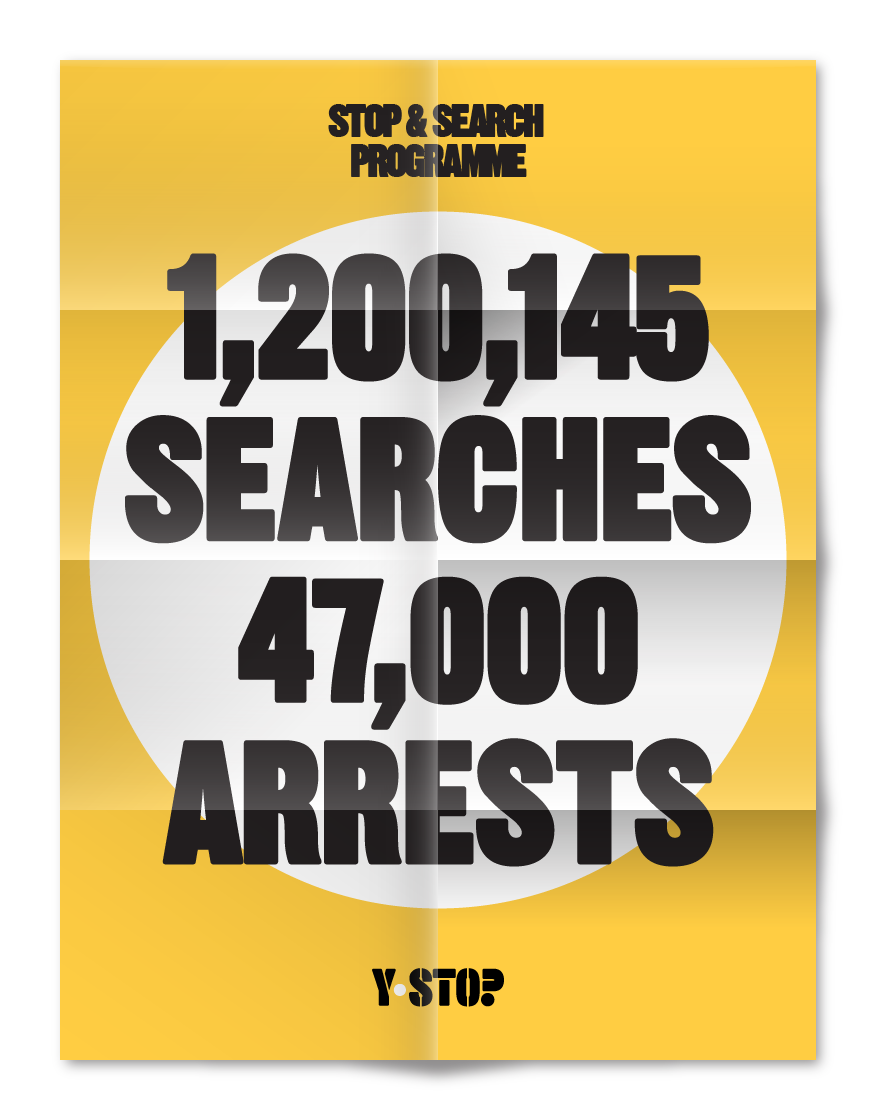
Stop and search powers have been controversial in recent years with police figures showing different stop and search rates between different racial groups. Stats from 36 police forces showed that black people are more likely to be targeted under stop and search powers than white people, The Independent reported in August.
Stop and search powers allow officers to search a person if they have “reasonable grounds” to believe drugs, a weapon, something that could be used in a crime, or stolen property is being carried.
However, before a person is searched it is a requirement they tell the person their name, police station, what they may find, why they are searching, the legal grounds for the search, and that a record of the search can be provided. The provisions also allow the officer to ask a person to take clothes off.
Shaun Hall, the brother of Mark Duggan, who was shot by police in 2011 with subsequent protests leading to the London riots, told Sky News that the app may stop any police brutality occurring.
He said: “I’ve heard instances where the police have been filmed; they actually go and take the phone and maybe even damage the phone or delete what’s been filmed.
“The brilliance of this is that as soon as you press send it is gone.”
Sources: Sky News, Wired, The Stack, Y-Stop, Belfast Telegraph
Questions about this article
What is the Y-Stop app?
A UK app for people who are stopped and searched by police. It lets them record audio and video, send the footage instantly to lawyers, report the experience, complain to the police and be informed of their rights.
What must police tell a person before a stop and search?
According to the article, officers must give their name and police station, what they expect to find, why they are searching, the legal grounds for the search, and that a record of the search can be provided.
Why was Y-Stop created?
As a response to police use of stop and search powers, which the creators say weigh heavily on black and ethnic minority communities and young people, who are more likely to be stopped and can feel harassed and disempowered.
Questions and answers added in 2026, based on the article above.