App: WeAware
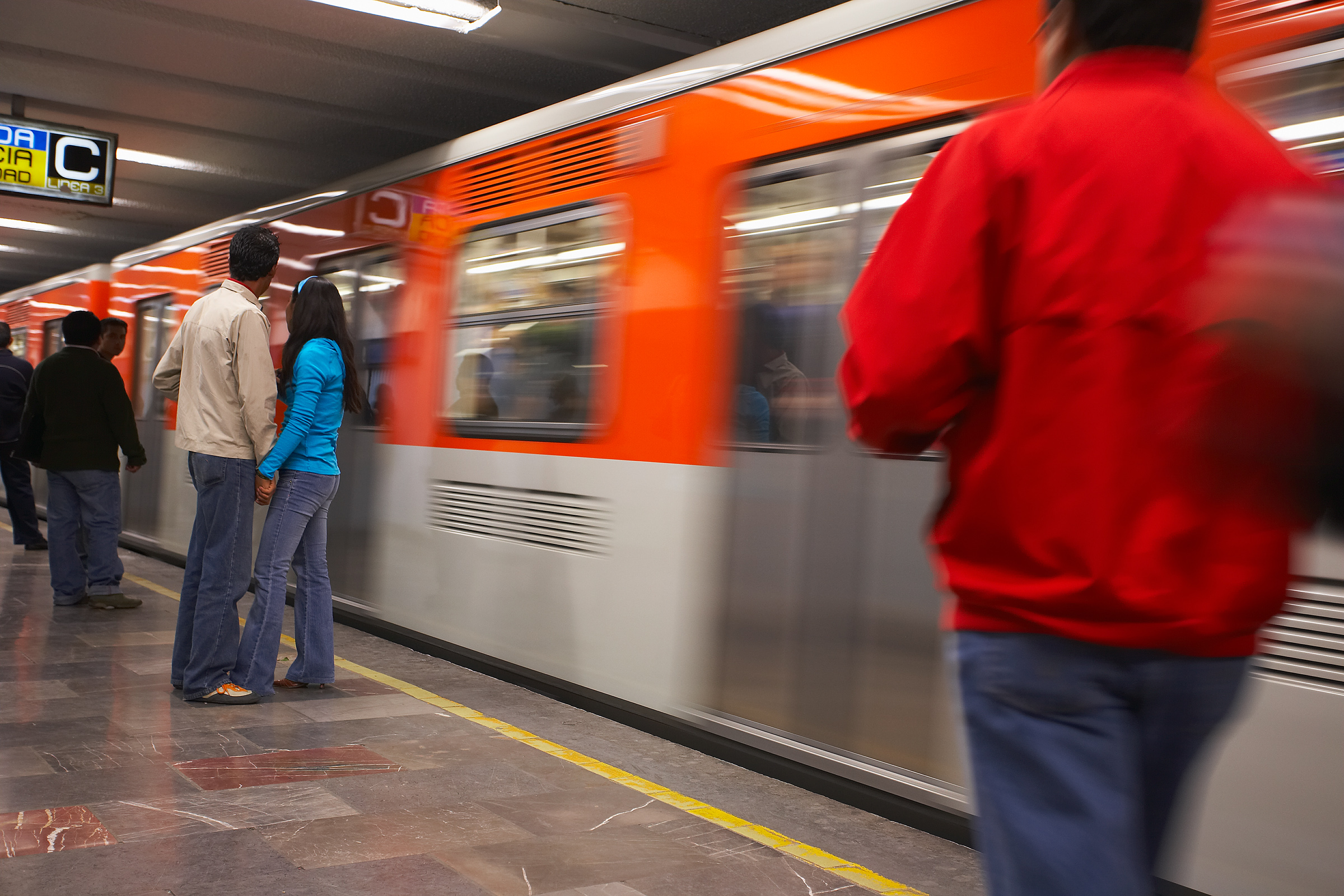

In the wake of the large-scale and coordinated terrorist attacks in #Paris, many people are left wondering, how can we keep ourselves safe?
While there is no sure-fire way to prevent every terrorist attack or actor with malicious intent, one thing is clear – early detection through heightened awareness training can serve as the best tool for prevention.
SDR® Academy trains its clients in a methodology which focuses on effective prevention rather than reaction to particular events. The SDR training uses behavioral indicators which take into account environmental factors which will influence what the methodology deems as “normal” or “abnormal” behaviors for a given environment. The training is nuanced and most importantly underscores the need for each individual to have heightened awareness of their particular surroundings to better understand what is going on around them.
Through a better understanding of one’s own environment, each individual is able to make a series of decisions and scan an area, taking note of behaviors which may or may not be atypical for a given situation. This training can assist local security officers in identifying actors with the potential for malicious intent during the planning and reconnaissance stages of large-scale attacks. Although the actors in the recent terror attacks may fit a particular profile of radicalization efforts, it is important that our security training mechanisms do not simply profile for one specific actor or characteristic, if we do that, we are sure to miss the potential actors of the future.”

Power of the People and Social Media
Recent technological developments and the age of social media where “safety checks” on Facebook are growing to become the norm in the wake of natural disasters or terrorist incidents, highlights the power of the people and of crowdsourcing information.
SDR® Academy is launching a new application called WeAware+ which will bolster the power of the crowd and help to create a cloud-based system of safety and security information. WeAware+ will give local citizens the ability to input information onto the system and in real-time notify other users of security threats in their local areas. Not only will alerts go out to local individuals on the app, but local law enforcement agencies will also be monitoring the system and will be ready to act upon any corroborated information. The WeAware+ application will minimize the gap in the time it takes for information to be disseminated and used by those who need it, and could potentially be the difference between prevention of an event and reaction to one.
Through harnessing the power of the individual and aggregating information onto the system, the application will become stronger with each and every user, simultaneously strengthening the security and safety environment in one’s local area. Furthermore, WeAware+ will ameliorate the relationship between local communities and the law enforcements officers who serve in their areas. Through blending the resources of security professionals with the heightened awareness of each individual system, WeAware+will create a safer and more cohesive security atmosphere for all.
This video is no longer available. Original on YouTube
Questions about this article
What is WeAware+?
An app announced by SDR Academy that lets citizens report security threats and alert other users nearby in real time, as part of a cloud-based system of safety and security information monitored by local police.
What does SDR Academy’s training focus on?
Prevention rather than reaction: using behavioural indicators and environmental factors to judge what is normal or abnormal in a given setting, and heightened awareness of one’s surroundings.
Why does the article warn against profiling?
Although recent attackers may fit a particular radicalisation profile, training that profiles only one actor or characteristic is likely to miss potential attackers of the future.
Questions and answers added in 2026, based on the article above.