Social Media Safety Centers

If in social venues something goes wrong you have for example the barman in a pub whom you can talk to, at larger venues, there are porters, but most social media services have entire departments. But they service the whole world. Facebook has, for some time now, a Safety Center that is intended to help the many users make the online platform a bit safer. There is a whole team of people introduce themselves in several Facebook videos. Recently, they even have launched a Bullying Prevention Hub against bullying both offline and online. You can find information, aimed at teenagers, parents and teachers.
Twitter has a section on Safety & Security that is shaped a little more sober. They started out with a very free platform from the start and took a different approach. At the other “Big 5” social media services we do not see such a strong focus on user safety the way Facebook has. Sure, every platform has it’s suggestions for law enforcement issues, such as Twitter and Pinterest, showing how they can tackle crime together. And of course end users can always report abuse or misconduct by a report button and form. Google is also making great strides, for example at the YouTube Policy and Safety Hub. But Facebook does more. For example, bite-sized information on cyberbullying or tips about safe use of Facebook as a way of protecting your own privacy. It is adapted to the target groups and focuses on teenagers, parents, teachers and police and there are also advisors who answer questions.
Facebook launched this new suite of tools around 2011 to protect users from bullying, foster a stronger sense of community in the social network, and “create a culture of respect” among Facebook users.
Facebook’s latest changes boil down to two main aspects: an improved safety center with more multimedia resources, and better, more social tools for reporting offensive or bullying content.
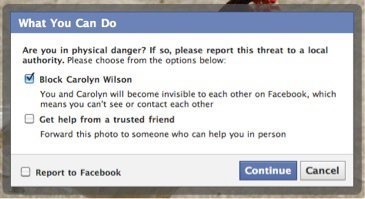
In addition to reporting harassing or TOS-violating content directly to Facebook, users now have two new options that are more social and more community-centric. Within the reporting options interface, the targeted user can choose to privately message the user who posted the stressful or offensive content. If the user wishes to report the content to Facebook, he or she can also choose to include a trusted authority figure, such as a teacher or parent, as a contact in that incident report.
As for the Safety Center upgrades, Facebook will be bringing “new educational videos, external resources from renowned experts, downloadable materials for people to share and discuss” and more resources within the coming weeks. The company is also asking teens to contribute feedback on smart, safe uses of technology.
Here are some screenshots of the new tools in action:
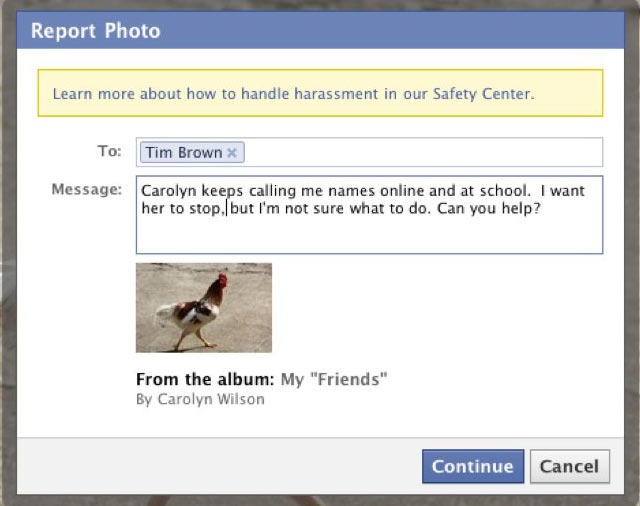
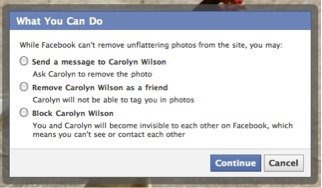
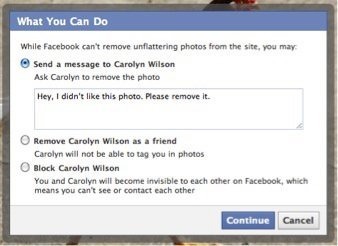
Also there are other agencies that provide safety information on the various platforms. Look, for example, at the following cartoon that talks about Facebook awareness for Kids:
This video is no longer available. Original on YouTube
In the Netherlands we have a vast array of websites, agencies, foundations and campaigns dealing with online safety and the dangers of social media. There is the organization My Child Online, the DigiAwareness campaign as part of digitalskills and digisafe, there are several points of contact as alertbutton.nl for young people with problems on the internet, nice digital skills, and so on. Also from thepolice, there is much attention to such KnowYourFriends or AskThePolice. Something for everyone.
From the government and various foundations, there is a variety of ways of making people pay attention. The legal side, corporate policies and guidelines for users, together with information and handling of complaints nowadays has become more important for many social media providers that make it an increasingly important part in their services. Security as a service, is an integral part of the entire customer experience. For young audiences, in particular teenagers who like to explore the boundaries, this is a necessity. Many platforms like to welcome even younger children but also elderly, another vulnerable group in the digital world. For Facebook, Twitter and other social networking sites is not allowed to admit children under 13. But enforcement is obviously very difficult. Rules and legislation is often times not the best solution. We will all have to keep paying attention to each other. But particularly large social media providers have a hard job at satisfying the many communities around the globe with the proper security services. For example see Google’s video about it:
This video is no longer available. Original on YouTube
Sources: Mashable, Facebook, Twitter, Pinterest, YouTube, InternetSafetyCenter
Questions about this article
What is the Facebook Safety Center?
It is a section of Facebook intended to help users make the platform safer. It offers information on topics such as cyberbullying and privacy, aimed at teenagers, parents, teachers and police, and includes a Bullying Prevention Hub.
What social reporting tools did Facebook add against bullying?
Besides reporting content to Facebook, users can privately message the person who posted offensive content, or include a trusted authority figure such as a teacher or parent as a contact in their report.
Which Dutch initiatives on online safety does the article mention?
It mentions My Child Online, the DigiAwareness campaign as part of digitalskills and digisafe, alertbutton.nl for young people with problems on the internet, nice digital skills, and police initiatives KnowYourFriends and AskThePolice.
Questions and answers added in 2026, based on the article above.